Hiking in South Africa often means navigating rocky trails, uneven ground, and unpredictable terrain. From mountain paths in the Drakensberg to rugged coastal routes, the surface underfoot is rarely forgiving. Wearing the wrong footwear on these trails can quickly turn an enjoyable hike into a painful or unsafe experience.
Boots that lack proper support or grip struggle on loose rocks and sharp edges, increasing the risk of slips, sore feet, and ankle injuries. Many hikers underestimate how much difference the right hiking boots make, especially on longer or more technical routes.
This guide explains why rocky terrain demands specific boot features and what to look for when choosing hiking boots for South African conditions. Whether you’re a beginner or a regular hiker, understanding the right footwear can make your hikes safer, more comfortable, and more enjoyable.
Hiking trails across South Africa often involve loose rocks, uneven surfaces, and steep sections where footing can change from one step to the next. On these kinds of trails, stability becomes just as important as comfort. Shoes or boots without proper support can shift unexpectedly on rocks, forcing your feet and ankles to constantly compensate for the uneven ground.
Rocky terrain also increases the risk of ankle injuries, especially on descents where weight is placed unevenly on the foot. Without adequate ankle support and a stable sole, it’s easy for the foot to roll when stepping on loose or angled rocks. Even minor missteps can lead to strained ligaments or cuts that quickly end a hike.
Sharp rocks and hard surfaces put continuous pressure on the soles of your feet. Boots with thin or overly flexible soles allow this impact to transfer directly to your feet, causing bruising and fatigue over time. On longer hikes, this lack of protection can lead to sore feet and reduced stability, making each step more tiring than the last.
Choosing hiking boots designed for rocky terrain helps reduce these risks by providing better grip, protection, and support. The right boots allow you to move more confidently and comfortably, letting you focus on the hike itself rather than constantly watching your footing.
Rocky terrain places constant pressure on the feet, especially when stepping on uneven surfaces. A stiff sole helps distribute weight more evenly, reducing foot strain and improving stability on loose or sharp rocks.
Rocky terrain is often scattered with loose stones, roots, and uneven surfaces that increase the likelihood of foot impacts. Without proper protection, repeated contact with rocks can lead to bruising or painful toe injuries. Hiking boots with a reinforced toe cap help absorb these impacts, protecting the front of the foot and reducing discomfort on rocky trails.
Rocky trails often include loose gravel and uneven surfaces that can cause slipping or sliding. Hiking boots with an aggressive outsole provide superior grip, improving stability on loose or angled rock faces and helping prevent falls.
Proper ankle support reduces the risk of twists or sprains on uneven terrain. Boots with firm, supportive collars stabilize the foot during descents and sudden movements, helping hikers maintain balance and prevent injuries.
South African trails can be unpredictable, with sudden rain or wet rocks increasing the risk of slipping. Water-resistant boots keep feet dry, maintain comfort, and prevent traction from being compromised by wet conditions.
Below are some of the most suitable hiking boot types and characteristics that perform well on rocky South African terrain. These recommendations are based on the features we discussed earlier: stiff soles, strong toe protection, aggressive grip, ankle support and water resistance. The boots listed are popular models that frequently receive good feedback from hikers on similar ground — always try them on and check current availability in your region.
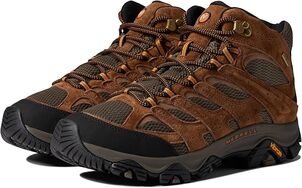
A mid-to-high-cut boot with a very stiff midsole, reinforced toe cap and deep-lug Vibram-style outsole usually performs best across most rocky South African trails. Look for models that combine solid ankle support with reasonable weight — these tend to handle long days on uneven ground without causing excessive fatigue. Typical weight range: 900–1200 g per pair. Best for: hikers who want one reliable pair for mixed Drakensberg, Table Mountain and coastal routes.
Popular models that often fit this profile include Salomon Quest 4, Merrell Moab 3 Mid, or La Sportiva TX4. These tend to combine stiffness, grip and durability well on rocky trails.
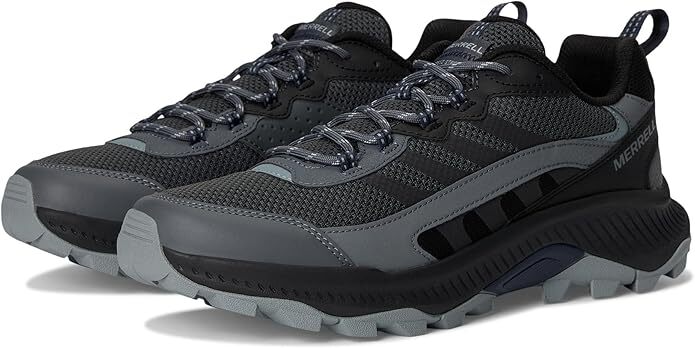
Lighter boots (700–950 g per pair) with a semi-stiff sole and aggressive tread can be a great compromise for shorter rocky hikes or people who find heavier boots tiring. They usually sacrifice a small amount of underfoot protection and long-term durability for better breathability and less leg fatigue. Best for: day walks, fitter hikers, or those doing mostly shorter trails with less technical sections.
Examples in this category are often the Salomon X Ultra series, Merrell Moab Speed, or Hoka Speedgoat (low-cut versions). They trade some protection for lower weight.
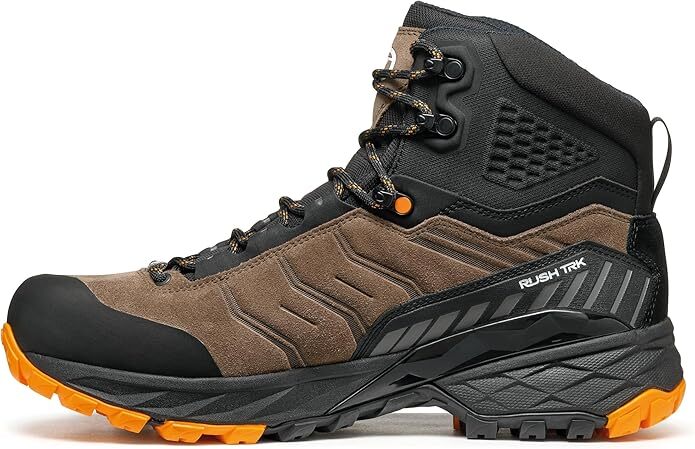
Fully waterproof (Gore-Tex or similar membrane) boots with excellent outsole grip become almost essential when you expect rain, stream crossings or very slippery rock. The trade-off is slightly less breathability in hot weather — so these are ideal for winter hikes or very damp regions. Best for: Cape winter hikes, Garden Route trails, or anyone who frequently encounters wet rock.
Boots with Gore-Tex or similar membranes from brands like Salomon, Scarpa, or Meindl are frequently recommended for wet SA conditions.
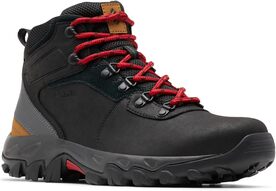
Entry-level to mid-range boots that still deliver the core features (stiff sole, decent toe cap, good grip, ankle collar) without premium pricing. These are usually the first choice for people new to rocky hiking who want to avoid spending a fortune before they know what they like. Best for: first serious pair, occasional hikers, or those building up experience.
Good entry-level options often come from brands like Quechua (Decathlon), Hi-Tec, or entry-range Merrell and Columbia models.
The “best” boot ultimately depends on your foot shape, the length and difficulty of hikes you plan, your budget, and how much weight you’re comfortable carrying. Whenever possible, try boots on with the socks you’ll actually hike in, walk around the shop for at least 10–15 minutes, and check return policies in case they don’t feel right after a real walk.
In the next section we’ll look at common mistakes people make when choosing boots.
Many hikers, especially beginners, make choices that lead to discomfort or even injury on rocky South African trails. Here are the most frequent mistakes and how to avoid them.
Trail runners are great for smooth paths, but on rocky, uneven terrain they offer almost no protection against sharp rocks and little ankle stability. Always opt for boots with a stiff midsole and ankle collar when the trail includes loose rock or steep sections.
Feet swell during long hikes. A boot that feels perfect after 5 minutes standing may cause blisters or hot spots after 3 hours. Always try boots on with the hiking socks you plan to use, walk around for at least 10–15 minutes, and ideally test them on an incline if the shop allows.
Very heavy boots can exhaust you on long hikes; ultra-light ones may lack protection. Try different weights in person — what feels fine in the shop can feel very different after 10 km on rocky ground.
Even good boots need time to mold to your feet. Start with short walks before a big hike. If hot spots appear early, adjust socks, use blister plasters, or consider different socks/liners.
Sizing varies between brands. If buying online, only use retailers with free or easy returns so you can exchange if the fit is wrong.
Avoiding these mistakes saves money, prevents pain, and makes hiking much more enjoyable.
The right boots are worth the effort — they turn challenging trails into manageable (and fun) adventures.
Footwear is one of the most important pieces of gear you can choose for rocky South African trails. Prioritize stability, protection and grip over brand name or looks.
Always test boots properly, start with shorter hikes to break them in, and carry basic blister care in your pack.
The right pair of boots won’t make the rocks disappear — but it will make sure they don’t ruin your hike.
Safe trails!
As an Amazon Associate, I earn from qualifying purchases